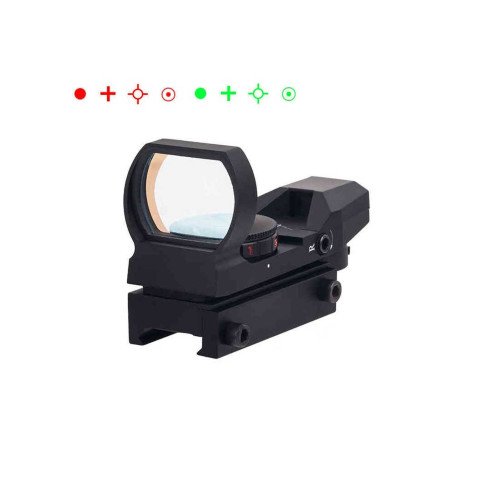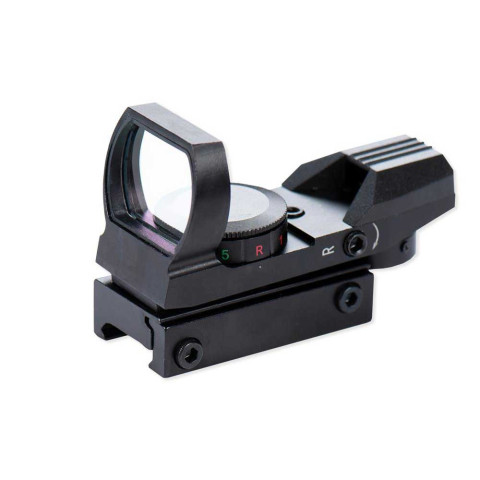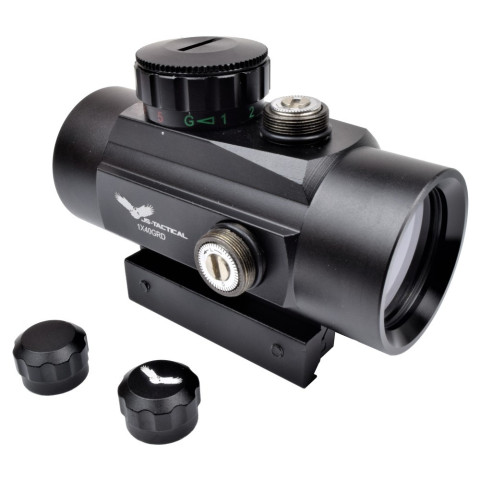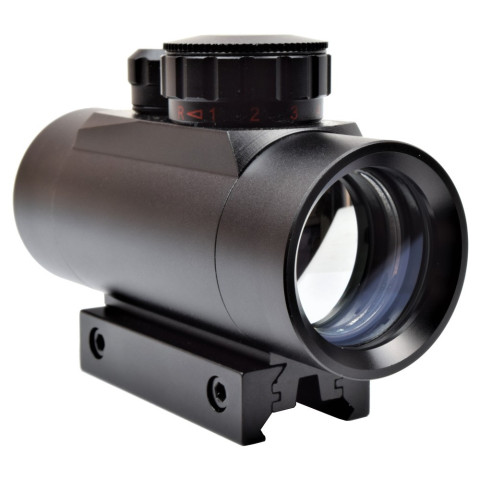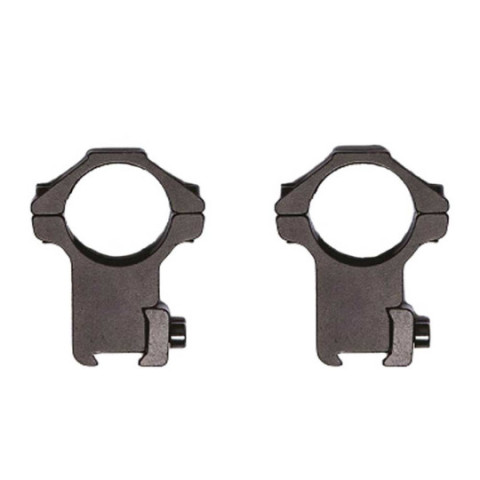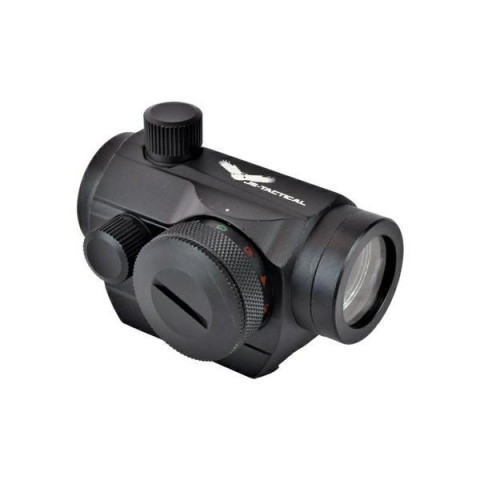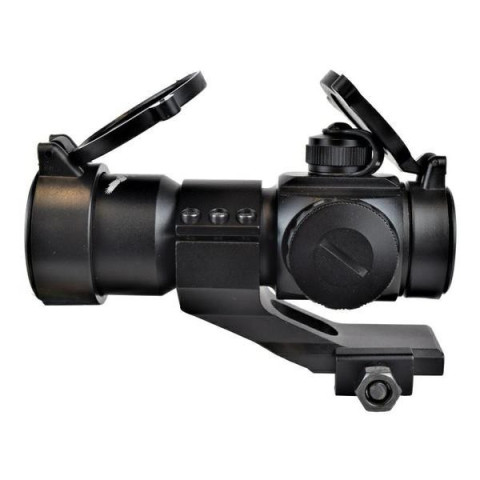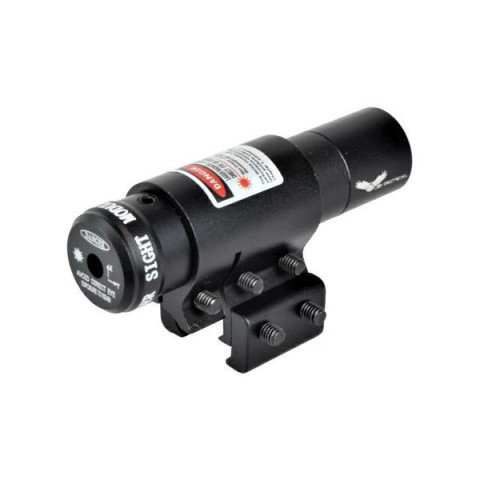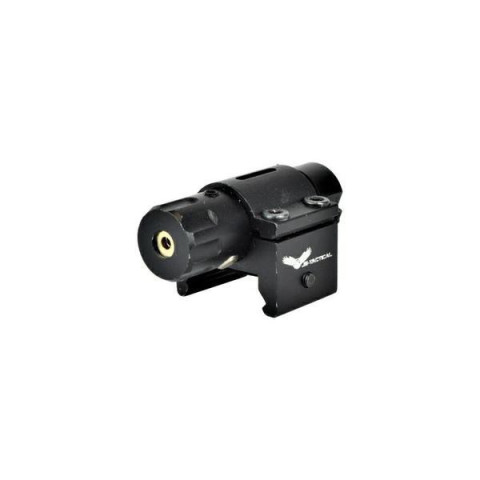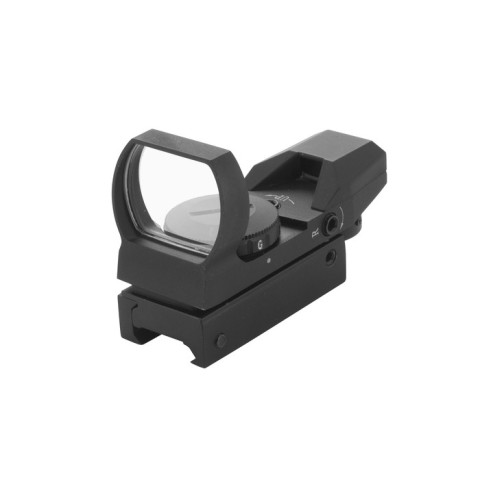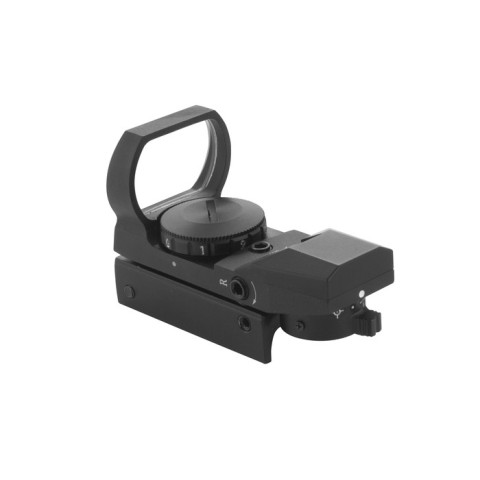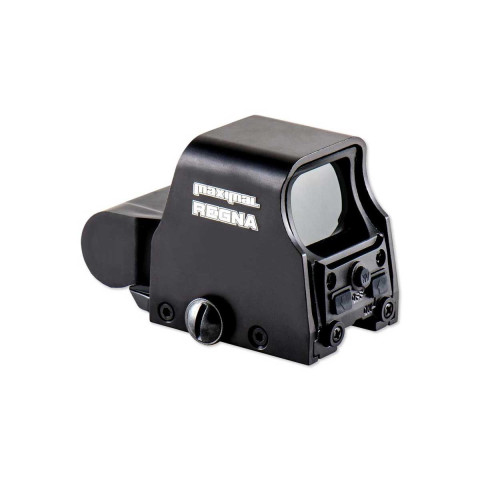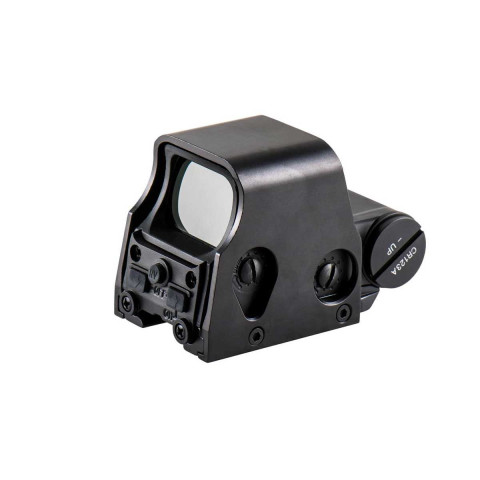
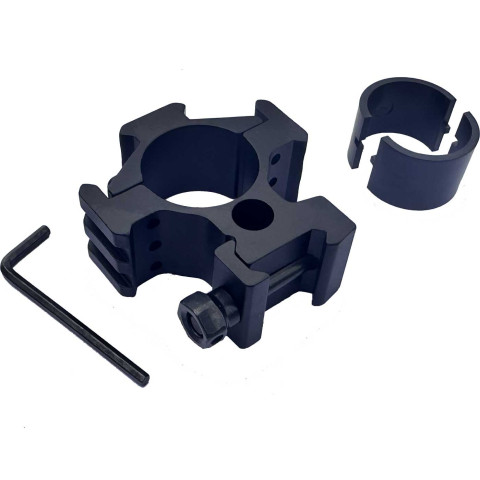
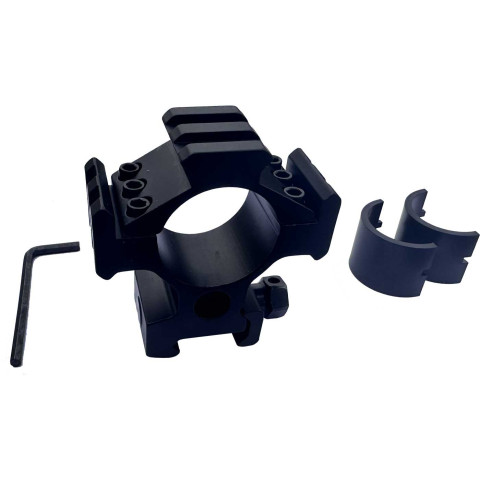
If you’re looking to improve at recreational or competitive shooting, choosing the right sighting accessory can make all the difference. To improve your accuracy with a crossbow, consider a red dot sight. It has the advantage of being affordable. Ideal for pistol crossbows, it’s also well suited to crossbows with draw weights between 150 and 180 lbs. A red dot sight is best suited to short- and medium-range shooting. Its red or green illuminated dot on the target helps improve your accuracy.
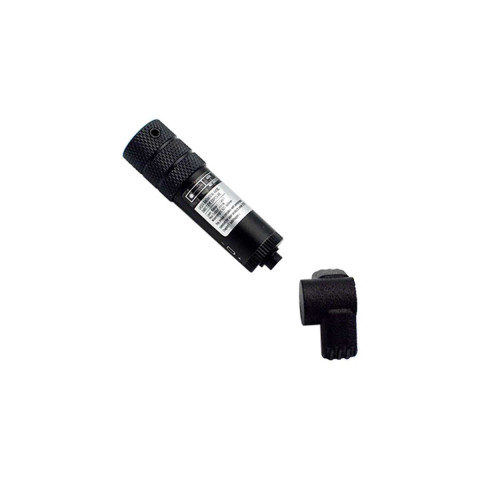
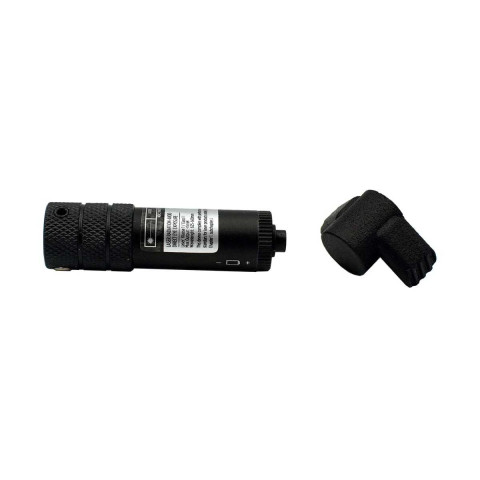
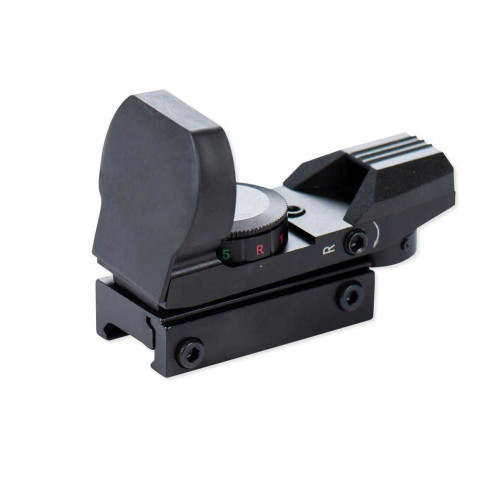
Smaller and less bulky than a red dot scope, a reflex sight is also an excellent choice for short- and medium-range shooting. Lightweight, it’s one of the best sighting accessories for beginners and experienced shooters alike. The major advantage of a reflex-style red dot sight is that you can aim and shoot with both eyes open.
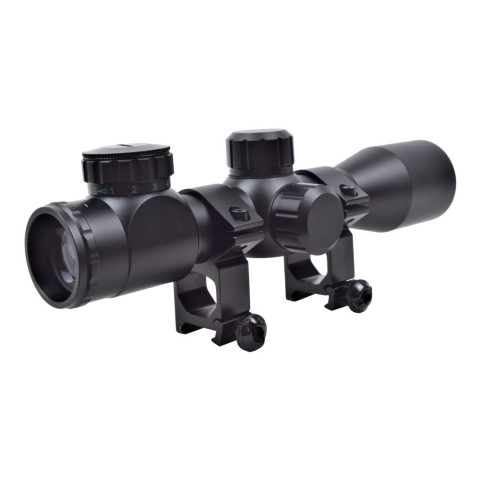
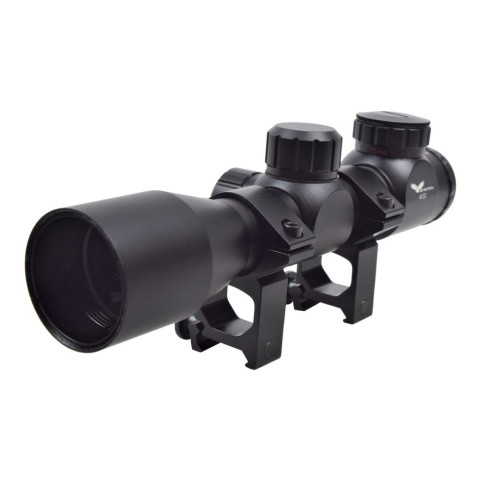
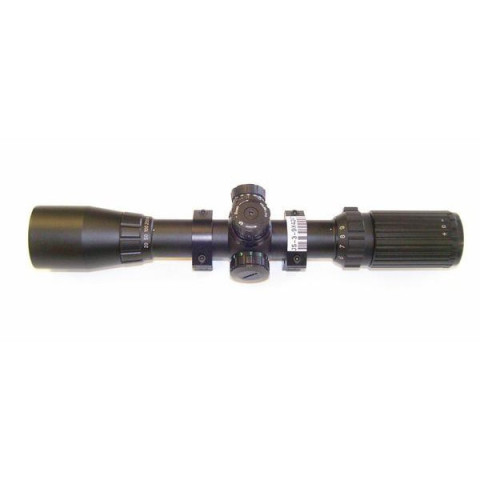
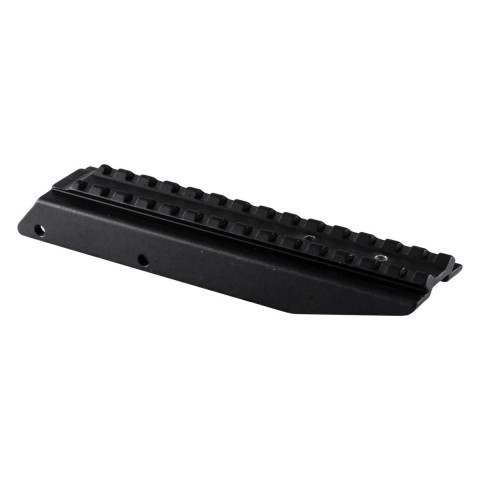
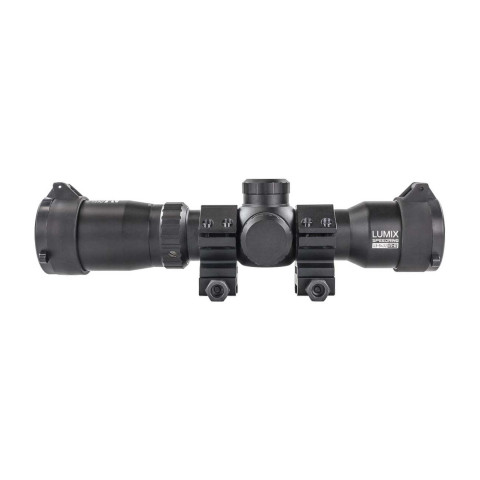
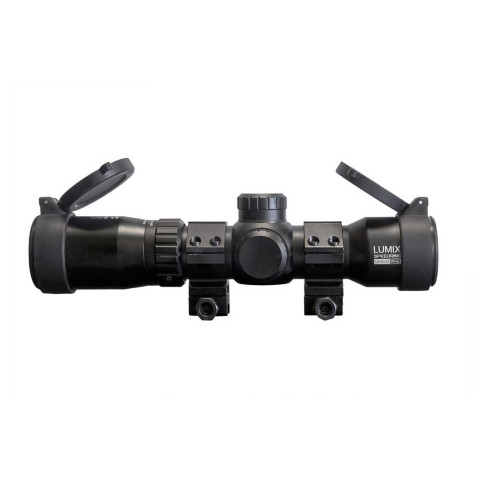
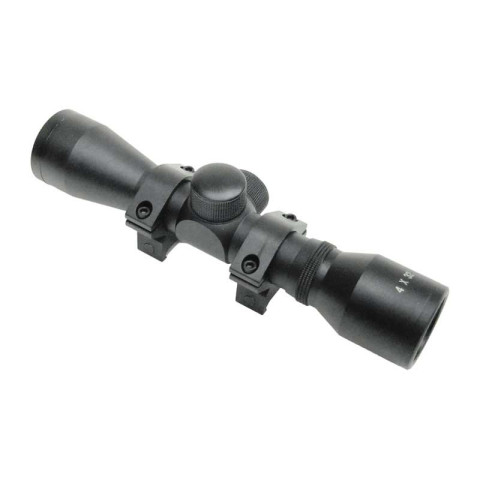
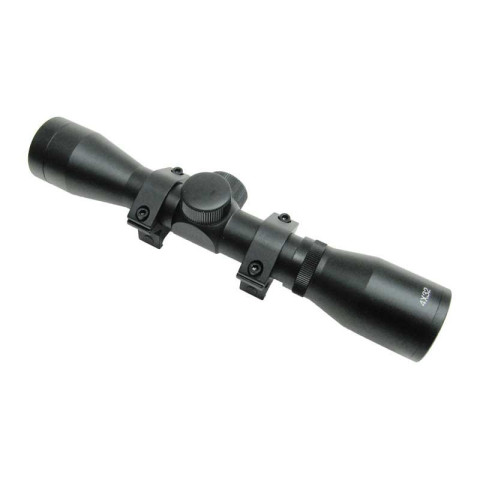
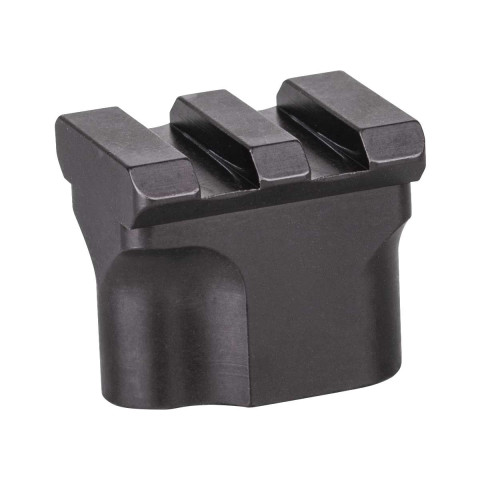
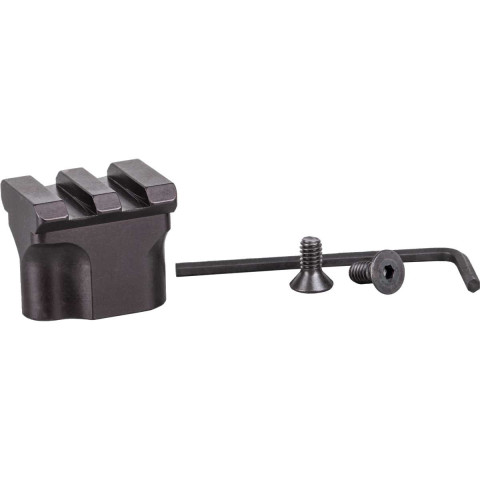
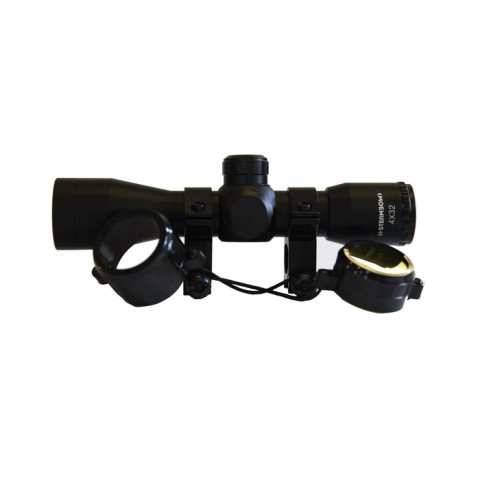
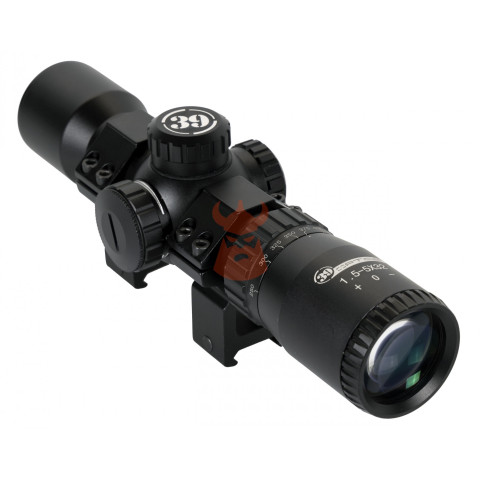
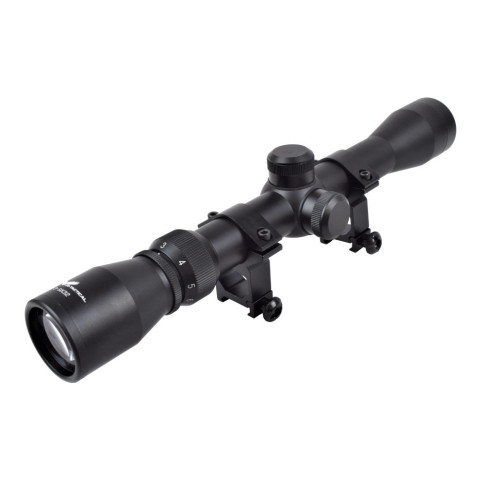
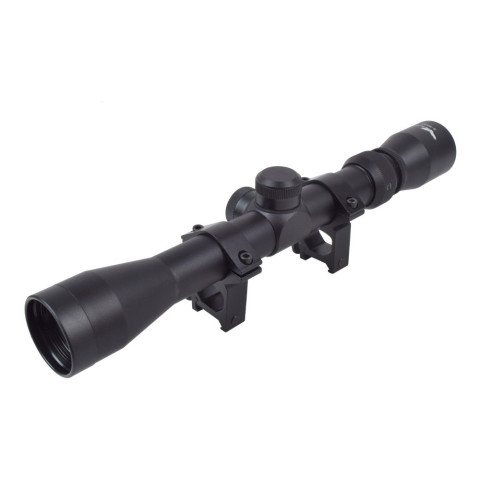
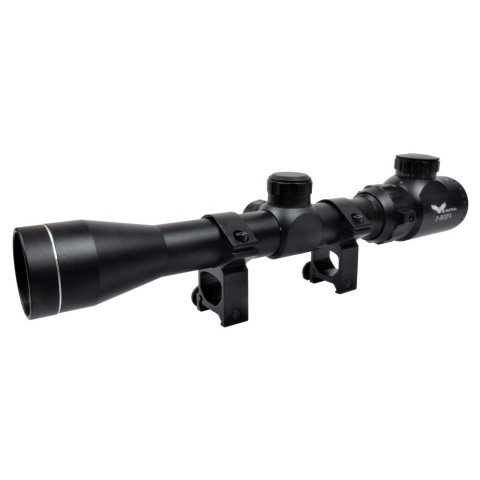
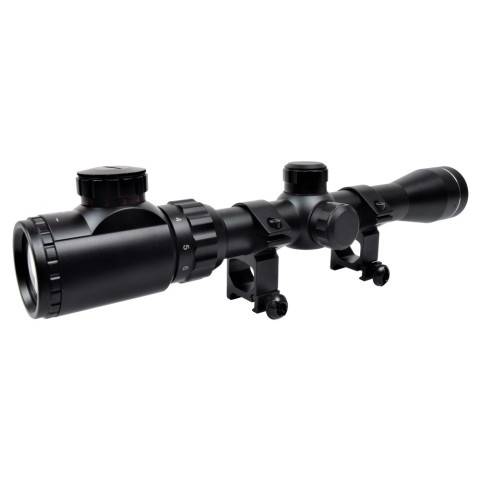
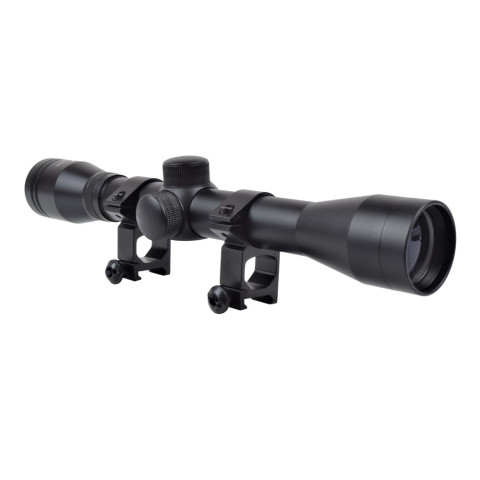
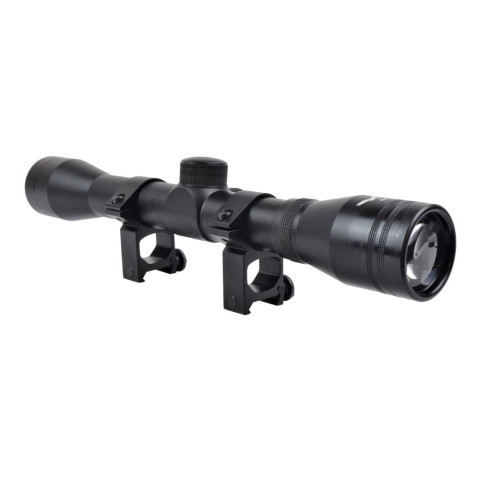
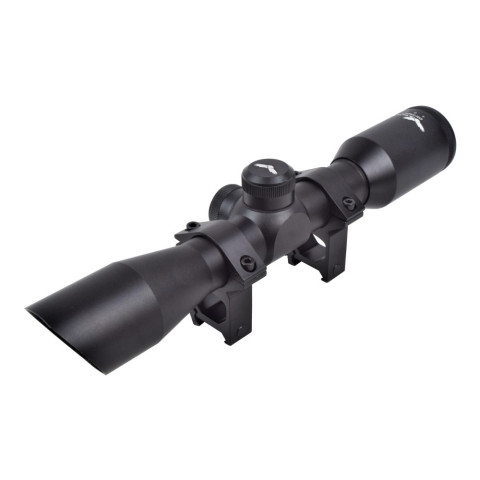
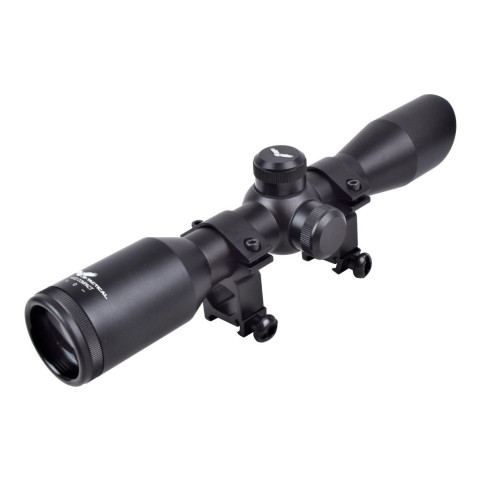
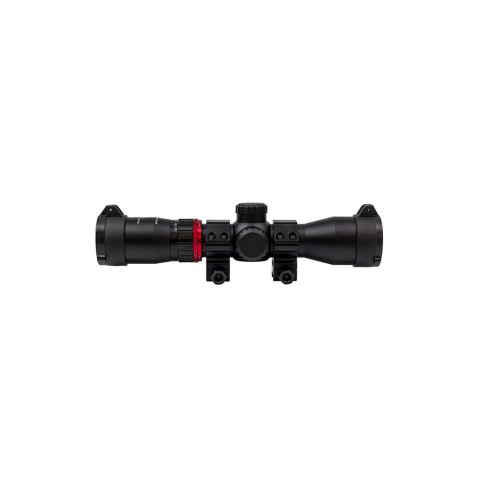
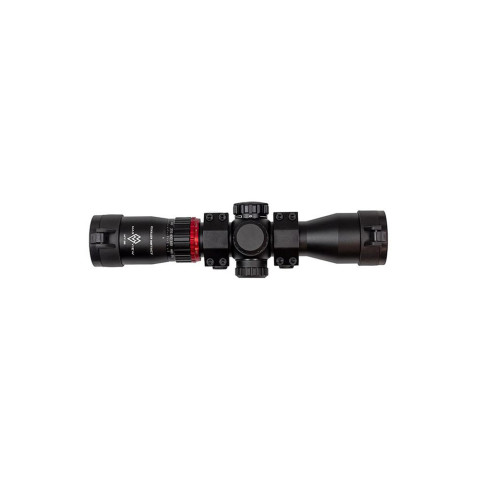
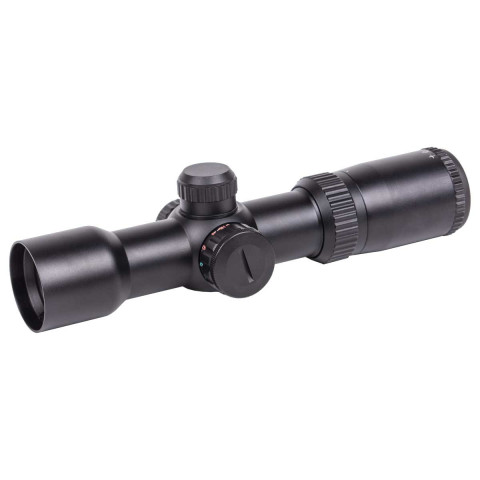
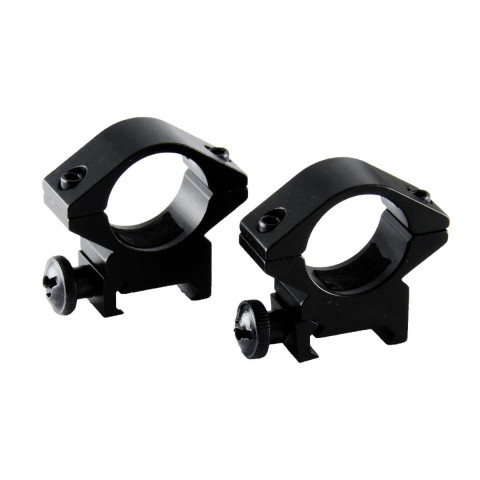
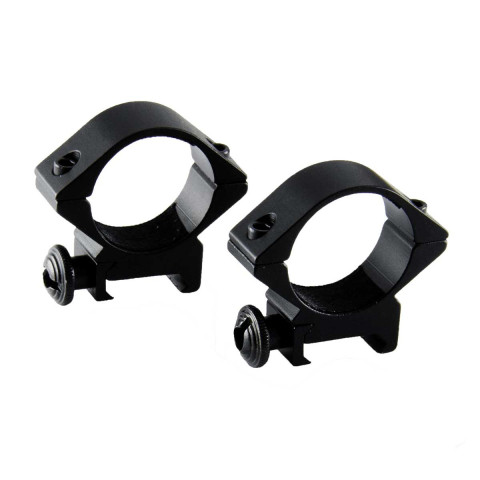
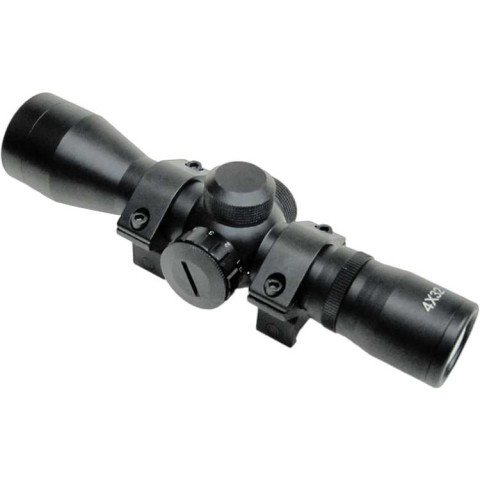
If you want to shoot a crossbow at long range, a scope is the way to go. Once mounted on your crossbow’s Picatinny rail, it’s easy to adjust using the knobs. Some scopes, such as those offered by Hawke, allow adjustments based on several factors, including your crossbow’s bolt speed, the distance, and wind speed. A 4x32 scope offers 4x magnification and a 32 mm objective lens. A 2-8x36 scope lets you magnify your target from 2x to 8x and has a 36 mm objective lens. As a rule, the larger the objective lens, the better the light transmission.
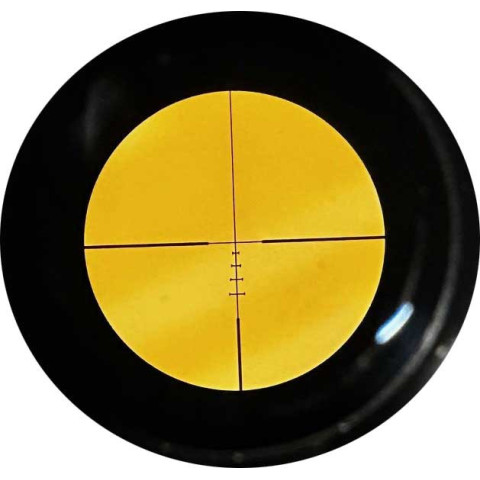
Your crossbow scope has two adjustment knobs. The knob on top adjusts elevation, while the knob on the side adjusts windage. Secure your crossbow on a support, then take your first shot at the center of the target from a short distance—ideally 10 meters. Didn’t your crossbow bolt hit the bull’s-eye? No problem! Without moving your crossbow, use the scope’s two adjustment knobs to align the reticle with where your first bolt hit the target. Once you’ve made the adjustments, take another shot at the bull’s-eye. If the bolt still misses, repeat the process.